
Our Ceramic Grinding Media Product Range
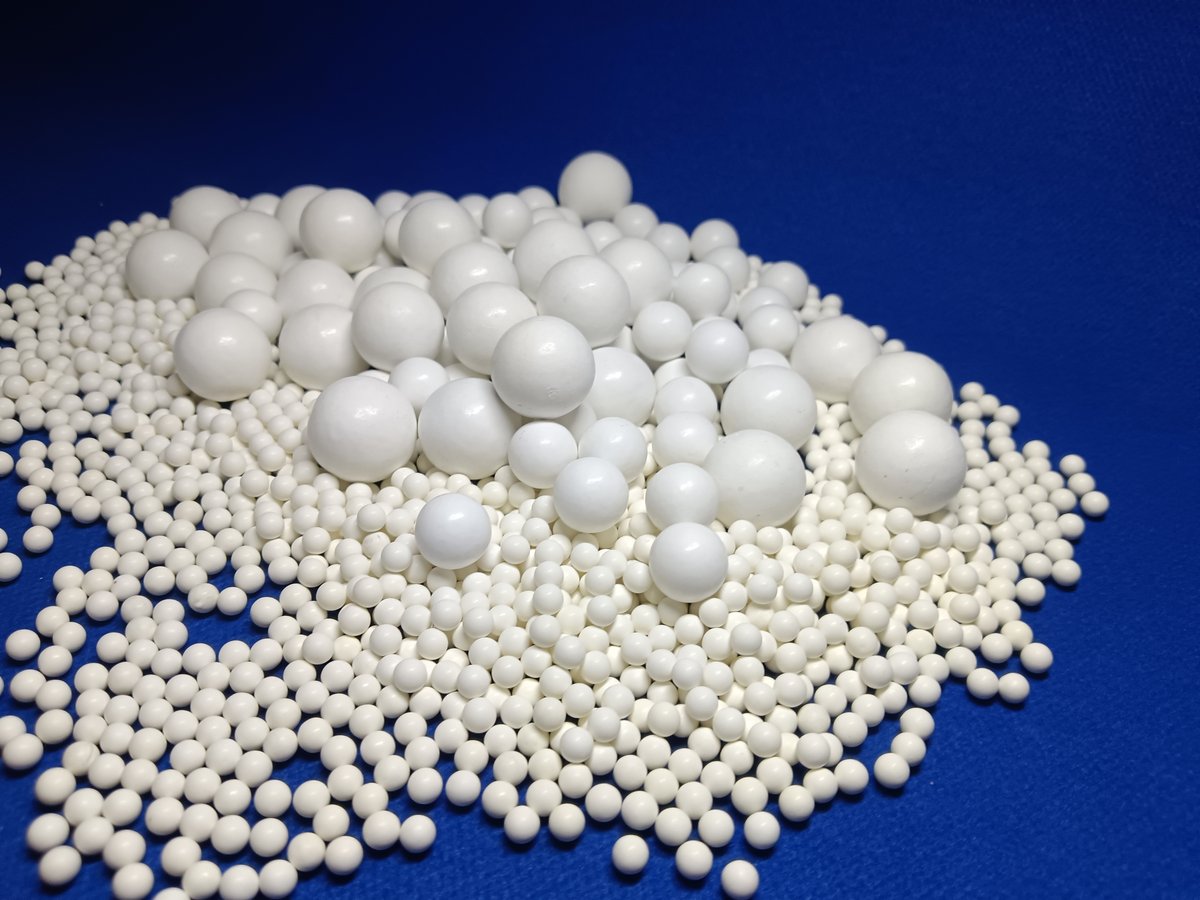
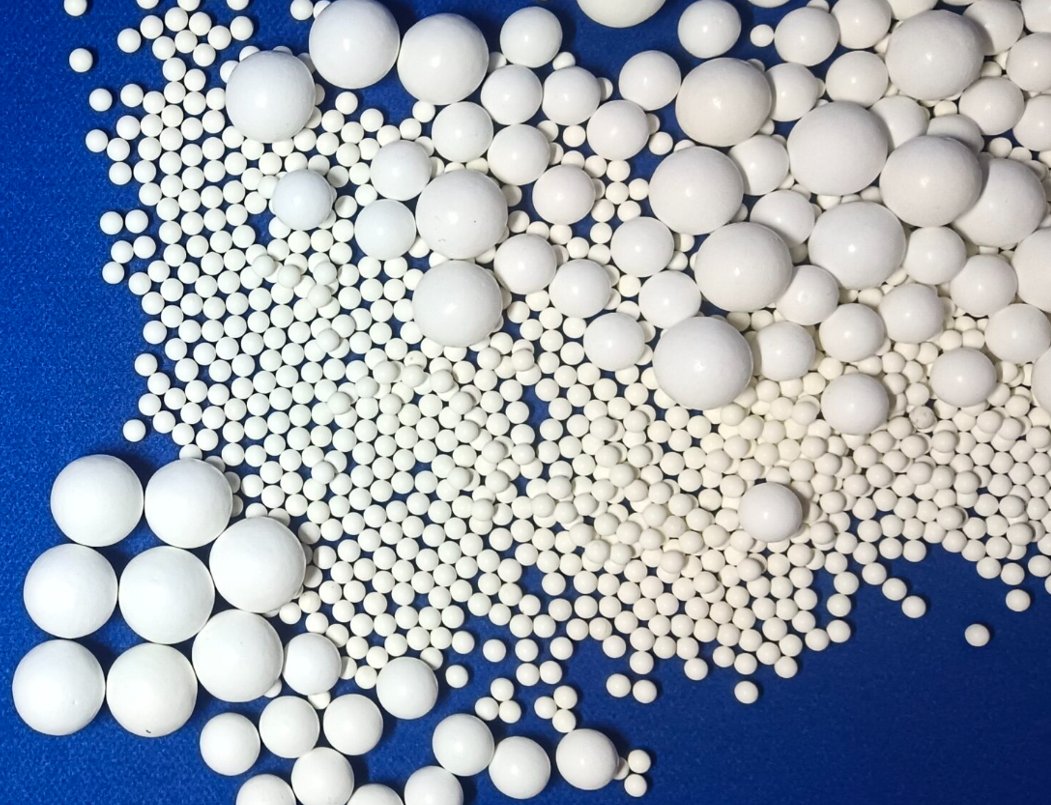
Series 1: Standard & Mid-Alumina Ceramic Grinding Media
Our Standard and Mid-Alumina grinding balls offer an economical solution for general-purpose grinding applications. With Al₂O₃ content ranging from 60% to 72%, these ceramic grinding media provide reliable performance at competitive pricing. These wear-resistant ceramic balls are ideal for industries including mining, ceramics, and pigment processing where moderate hardness and cost-effectiveness are priorities.
| Parameters | WT-A60 | WT-A72 |
|---|---|---|
| Bulk Density (g/cm³) | ≥2.90 | ≥3.20 |
| Mohs Hardness | 7.5 | 8 |
| Vickers Hardness (Hv) | 900-1000 | 1000-1100 |
| Water Absorption (%) | ≤0.05 | ≤0.05 |
| Compressive Strength (MPa) | ≥1200 | ≥1700 |
| Wear Rate (‰) | ≤0.08 | ≤0.05 |
| Composition | Al₂O₃≥60%, SiO₂≤35% | Al₂O₃≥72%, SiO₂≤23% |
Series 2: High Alumina 92% — Premium Ceramic Grinding Media
Our 92% alumina grinding balls deliver excellent hardness and wear resistance for demanding grinding applications. These high density alumina ceramic balls maintain structural integrity under high-impact conditions, making them the preferred ceramic grinding media for ball mills in mineral processing, chemical manufacturing, and electronic materials. The WT-A92H variant offers enhanced density (≥3.70 g/cm³) for improved grinding efficiency and longer service life.
| Parameters | WT-A92 | WT-A92H |
|---|---|---|
| Bulk Density (g/cm³) | ≥3.60 | ≥3.70 |
| Mohs Hardness | 9 | 9 |
| Vickers Hardness (Hv) | 1400-1500 | 1400-1500 |
| Water Absorption (%) | ≤0.02 | ≤0.02 |
| Compressive Strength (MPa) | ≥2000 | ≥2100 |
| Wear Rate (‰) | ≤0.10 | ≤0.10 |
| Composition | Al₂O₃≥92% | Al₂O₃≥92% |
Series 3: ZTA Zirconia Toughened Alumina — High Impact Ceramic Grinding Media
Our ZTA (Zirconia Toughened Alumina) ceramic grinding media combines the wear resistance of alumina with the toughness of zirconia, creating superior zirconia grinding balls and ceramic balls that withstand high-impact milling conditions. These zirconia toughened alumina ceramic balls offer exceptional durability for ultra-fine grinding in advanced ceramics, electronic components, and high-purity material processing. Available in multiple purity levels from 77% to 96% to match specific application requirements.
| Parameters | WT-ZA92 | WT-ZA85 | WT-ZC77 | WT-ZA94 | WT-ZA95 | WT-ZA96 | WT-ZA96H |
|---|---|---|---|---|---|---|---|
| Bulk Density (g/cm³) | ≥3.70 | ≥3.80 | ≥4.10 | ≥4.10 | ≥4.50 | ≥4.70 | ≥5.00 |
| Mohs Hardness | 8 | 8 | 8 | 8-9 | 8-9 | 8-9 | 8-9 |
| Vickers Hardness (Hv) | 1100-1200 | 1150-1250 | 1200-1300 | 1200-1300 | 1250-1350 | 1250-1350 | 1300-1400 |
| Water Absorption (%) | ≤0.02 | ≤0.02 | ≤0.01 | ≤0.01 | ≤0.01 | ≤0.01 | ≤0.01 |
| Compressive Strength (MPa) | ≥2000 | ≥2100 | ≥2200 | ≥2300 | ≥2400 | ≥2500 | ≥2600 |
| Wear Rate (‰) | ≤0.12 | ≤0.10 | ≤0.06 | ≤0.05 | ≤0.03 | ≤0.015 | ≤0.01 |
| Composition | Al₂O₃+ZrO₂≥92% | Al₂O+ZrO₂≥85% | Al₂O₃+ZrO₂≥77% | Al₂O₃+ZrO₂≥94% | Al₂O₃+ZrO₂≥95% | Al₂O+ZrO₂≥96% | Al₂O₃+ZrO₂≥96% |
Series 4: 99% Ultra-High Purity Alumina Ceramic Balls
Our WT-A99 high density alumina ceramic balls are engineered for ultra-fine grinding applications requiring minimal contamination. With 99% Al₂O content, these premium ceramic grinding media provide exceptional hardness and chemical inertness, making them the preferred choice for pharmaceutical, food processing, and advanced material manufacturing where purity is critical.
| Parameters | WT-A99 |
|---|---|
| Bulk Density (g/cm³) | ≥3.85 |
| Mohs Hardness | 9 |
| Vickers Hardness (Hv) | 1500-1700 |
| Water Absorption (%) | ≤0.01 |
| Compressive Strength (MPa) | ≥2500 |
| Wear Rate (‰) | ≤0.01 |
| Composition | Al₂O₃≥99% |
Series 5: Pure Zirconia Beads — Ultra-Fine Grinding Media
Our pure zirconia beads represent the highest tier of ceramic grinding media performance. Available in YSZ (Yttria-Stabilized Zirconia) and Ce-Zirconia variants, these premium zirconia grinding balls offer the lowest wear rates and highest compressive strength available. Ideal for high-speed milling, nano-milling, and processing of ultra-hard materials in aerospace, medical implants, and advanced ceramics industries.
| Parameters | WT-Z99Y | WT-Z99C |
|---|---|---|
| Bulk Density (g/cm³) | ≥6.00 | ≥6.05 |
| Mohs Hardness | 8.5-9 | 8.5-9 |
| Vickers Hardness (Hv) | 1100-1200 | 1100-1200 |
| Water Absorption (%) | ≤0.01 | ≤0.01 |
| Compressive Strength (MPa) | ≥7500 | ≥7200 |
| Wear Rate (‰) | ≤0.001 | ≤0.0015 |
| Crush Load (kN) | ≥2.0 (φ2mm) | ≥2.0 (φ2mm) |
| Composition | ZrO₂+Y₂O₃≥99.5% | ZrO₂+CeO₂≥99% |
Alumina Grinding Balls Selection Guide
Selecting the right ceramic grinding media requires balancing performance requirements with cost considerations. As your trusted alumina grinding balls supplier, here are key factors to guide your selection:
- For general-purpose grinding: Choose Standard & Mid-Alumina (WT-A60, WT-A72) for cost-effective ceramic grinding media solutions
- For high-wear applications: High Alumina 92% Series offers excellent durability at moderate cost — our most popular alumina grinding balls for mining
- For ultra-fine grinding: ZTA Series provides the best balance of wear resistance and grinding efficiency
- For contamination-sensitive processes: 99% High Purity Alumina ensures minimal product contamination
- For highest performance demands: Pure zirconia beads deliver unmatched wear resistance and compressive strength
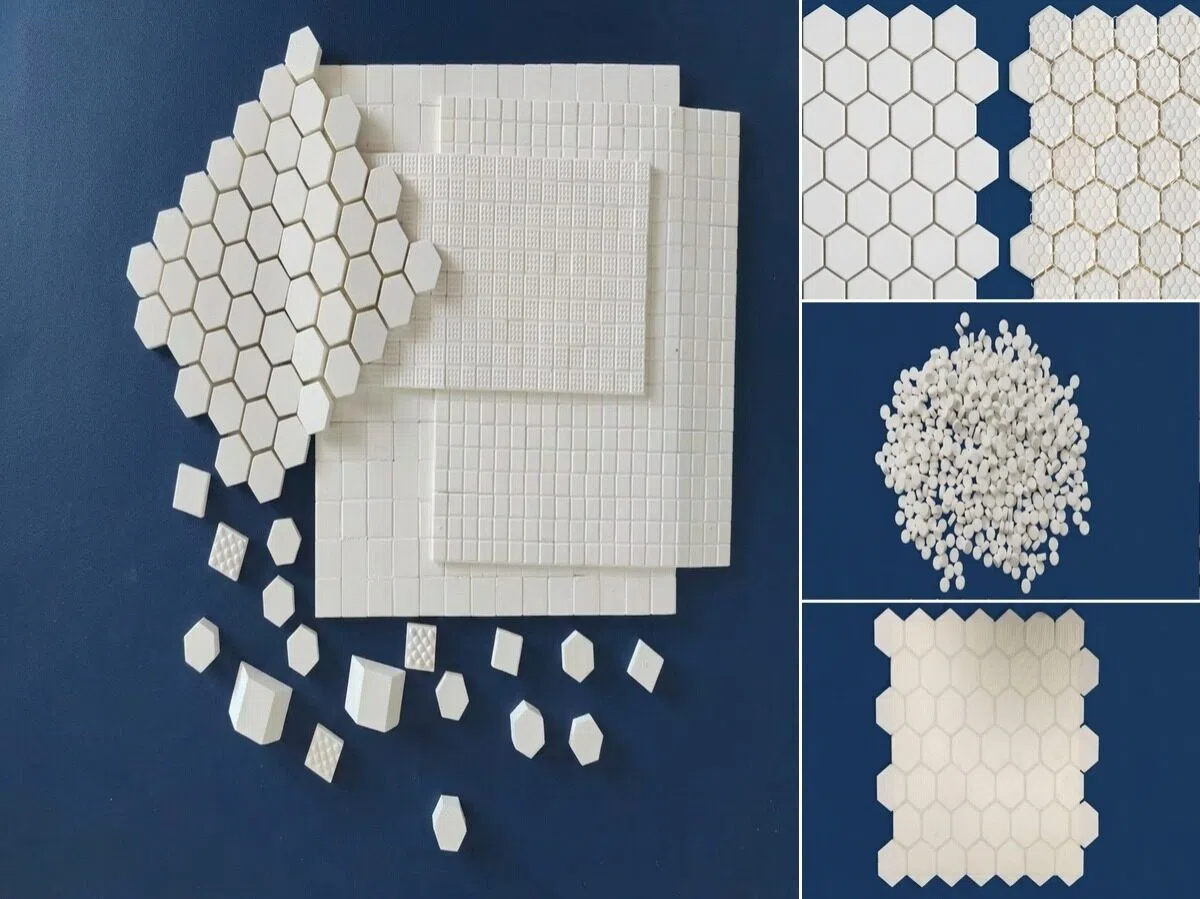
Alumina Ceramic Liner Tiles
High-density alumina ceramic wear liners in flat and hexagonal formats for chutes, hoppers, and conveyor systems.
View Details ↓
Alumina Ceramic Liner Tiles
92% and 95% high-alumina wear resistant ceramic lining tiles — the standard for bulk material handling
WearTech's alumina ceramic liner tiles are heavy-duty wear resistant ceramic lining tiles manufactured from 92% and 95% Al₂O₃, available in flat and hexagonal formats. Precision-formed for chutes, hoppers, and conveyor systems across mining, cement, and power generation, they deliver up to 5–10× the service life of manganese steel. Each tile is made to ±0.5 mm dimensional accuracy with density of 3.60–3.65 g/cm³, hardness of HRA 80–86, and compressive strength ≥850 MPa. As a trusted alumina ceramic lining supplier, WearTech bonds or welds these tiles to your equipment for long-term, low-maintenance wear protection.
| Size (mm) | Imperial Eq. | Application |
|---|---|---|
| 50×25×3~6 | 2"×1" | Pipe elbows, small curves |
| 50×50×6~13 | 2"×2" | Pipes, small equipment |
| 150×100×6~25 | 6"×4" | Chutes, hopper walls (most popular) |
| 150×50×6~25 | 6"×2" | Narrow surfaces |
| 100×100×6~20 | 4"×4" | Flat large-area bonding |
| 152.4×101.6×6.35 | 6"×4"×1/4" | Flat large-area bonding |
| 152.4×101.6×12.7 | 6"×4"×1/2" | Flat large-area bonding |
| 152.4×101.6×25.4 | 6"×4"×1" | Flat large-area bonding |
92% Al₂O₃ Standard
Density ≥3.60 g/cm³
HRA ≥80
Compressive Strength ≥850 MPa
95% Al₂O₃ Premium
Density ≥3.65 g/cm³
HRA ≥86
Compressive Strength ≥1000 MPa
Typical Applications

Alumina Ceramic Mosaic Tiles
Small-format alumina ceramic wear liners for cyclones, pipe elbows, and complex curved surfaces.
View Details ↓
Alumina Ceramic Mosaic Tiles
Flexible alumina cyclone lining tiles for curved and irregular equipment surfaces
Alumina ceramic mosaic tiles from WearTech are small-format wear resistant ceramic lining tiles engineered to conform to curved, irregular, and hard-to-line surfaces — including cyclone interiors, pipe elbows, and belt drum lagging. Available in plain and textured variants from 92%–95% Al₂O₃, these mosaic tiles protect areas where large tiles cannot fit, extending equipment service life and reducing unplanned downtime. As a specialist alumina ceramic lining supplier, WearTech provides precise small-format tiles for seamless alumina cyclone lining and complex-geometry protection across mining, cement, and power plants.
| Specification | Standard Options | Custom Range |
|---|---|---|
| Tile Size | 17.5×17.5 / 20×20 / 25×25mm | 10–100mm per side |
| Thickness | 3 / 5 / 10mm | 2–30mm |
| Material Grade | 92% / 95% Al₂O₃ | As specified |
| Shape | Square / Hexagonal / Irregular | Any small-format profile |
| Installation | Adhesive bonding | Rubber backing available |
92% Al₂O₃ Standard
Density ≥3.60 g/cm³
HRA ≥80
Compressive Strength ≥850 MPa
95% Al₂O₃ Premium
Density ≥3.65 g/cm³
HRA ≥86
Compressive Strength ≥1000 MPa
Typical Applications
Key Advantages
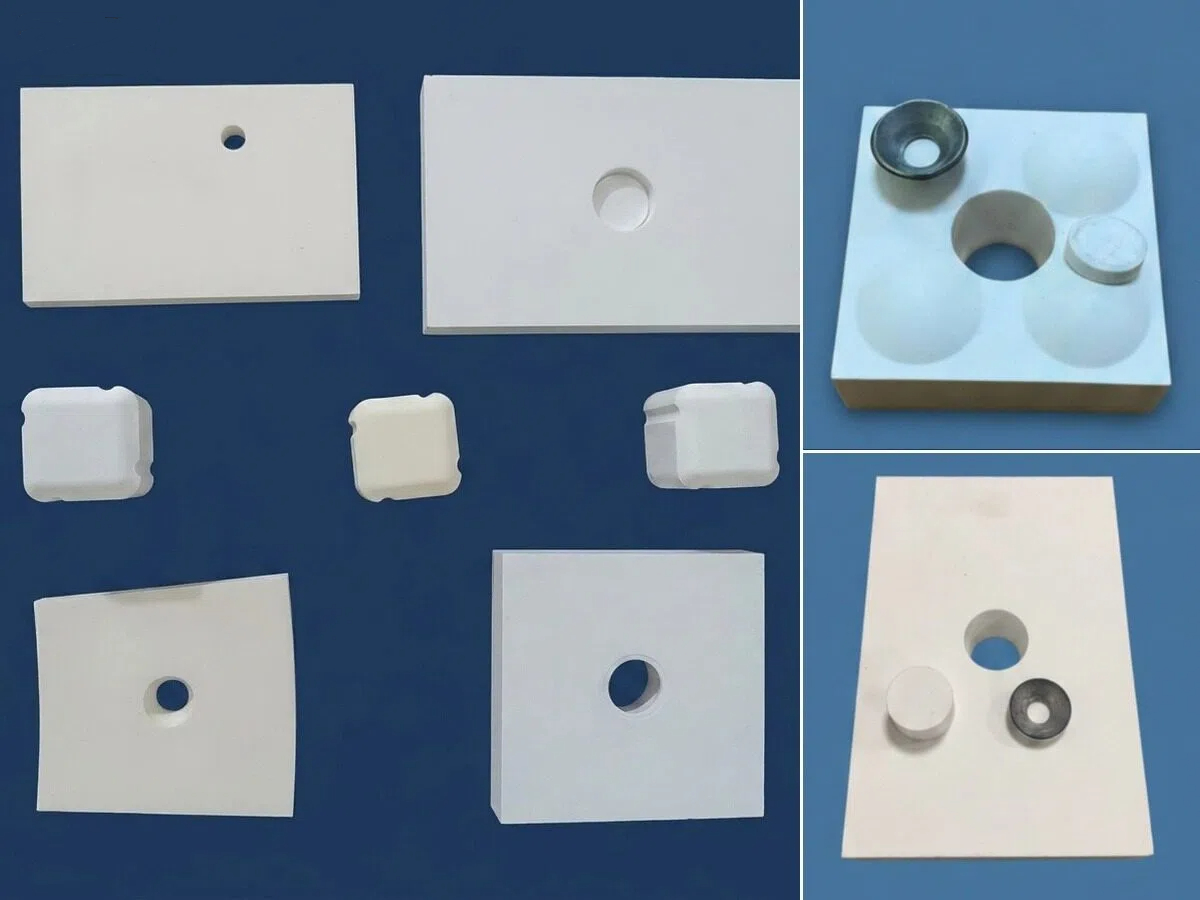
Weldable Ceramic Liner Plates
Stud welding ceramic liner plates for high-temp and high-vibration equipment — permanently secured, never detach.
View Details ↓
Weldable Ceramic Liner Plates
Stud welding weld on ceramic liner rated to 750°C — engineered for the most demanding industrial conditions
WearTech's weldable ceramic liner plates are engineered for the most demanding high-temperature and heavy-impact environments in mining, cement, and steel industries. Each stud welding ceramic liner is permanently secured to equipment surfaces with high-temp inorganic adhesive for dual fixation, rated up to 750°C. Available in 92% Al₂O₃ (≥850 MPa), 95% Al₂O₃ (≥1000 MPa), and ZTA zirconia-toughened grades (≥1300 MPa), our weld on ceramic liner systems deliver 200× service life versus manganese steel — even in extreme conditions where adhesive-mounted ceramics fail, these weldable ceramic liner plates stay firmly in place.
92% Al₂O₃ Standard
Density ≥3.60 g/cm³
HRA ≥80
Compressive Strength ≥850 MPa
95% Al₂O₃ Premium
Density ≥3.65 g/cm³
HRA ≥86
Compressive Strength ≥1000 MPa
ZTA Zirconia Toughened
Compressive Strength ≥1300 MPa
Fracture Toughness ≥6.0 MPa·m½
For heavy impact
Typical Applications
Key Advantages

Arc & Curved Ceramic Liners
Pre-formed alumina arc ceramic liner and curved ceramic liner for pipe elbows and cyclone interiors.
View Details ↓
Arc & Curved Ceramic Liners
30°–180° ceramic arc liner and alumina cyclone lining — factory pre-formed for precise fit
WearTech's arc and curved ceramic liner solutions are factory pre-formed alumina arc ceramic liner built to fit pipe elbows, cyclone interiors, and cylindrical equipment with precision. Available in 30° to 180° angles and bend radii from R=50 mm to R=2000 mm, these curved ceramic liners eliminate on-site cutting and reduce installation time. Manufactured from 92%–95% Al₂O₃ with density of 3.60–3.80 g/cm³, they provide dependable alumina cyclone lining for DN50–DN2000 pipelines. As a reliable ceramic liner supplier, WearTech delivers accurate, direct-fit curved wear solutions for mining, cement, and power generation industries.
Material Specs
Al₂O₃ Content: 92%-95%
Density: 3.60-3.80 g/cm³
Rockwell Hardness: HRA 80-86
Compressive Strength: ≥850 MPa
Size Range
Angle: 30°-180°
Radius: R=50 to R=2000mm
Thickness: 5-50mm
Nominal Dia: DN50-DN2000
Typical Applications
Key Advantages
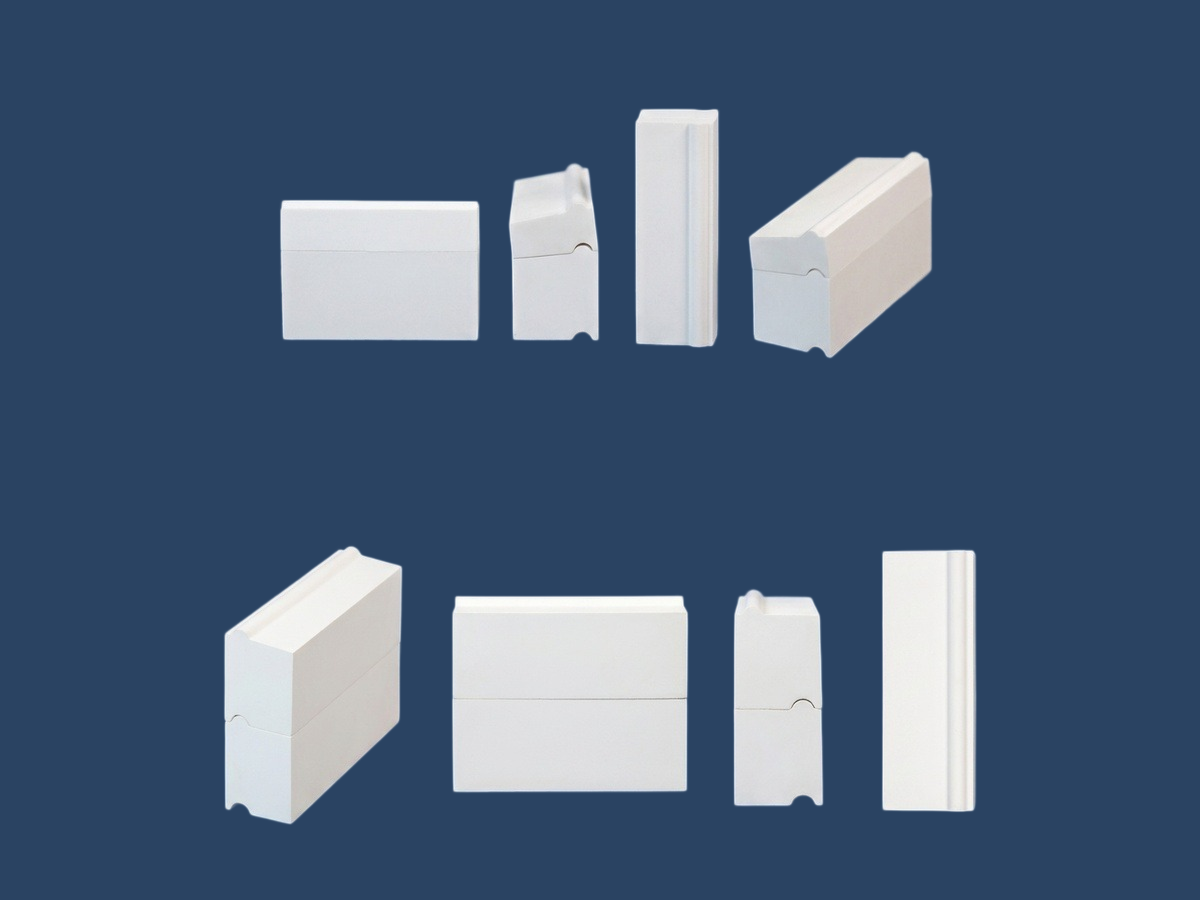
Ceramic Mill Liner Bricks
High-density ceramic liner for ball mill and SAG mill impact and abrasion protection.
View Details ↓
Ceramic Mill Liner Bricks
20–120 mm thick ceramic liner for ball mill — delivering 5–10× manganese steel wear life
WearTech's ceramic mill liner bricks are designed for ball mills, vertical mills, and SAG mills, with thicknesses from 20 mm to 120 mm. Manufactured from high-density alumina or ZTA zirconia-toughened formulations, each ceramic liner for ball mill application withstands high-speed impact and continuous abrasion from grinding media, delivering 5–10× the service life of manganese steel. Available in 92%, 95% alumina, and ZTA grades to match your mill's specific operating conditions. As a trusted ball mill ceramic lining supplier, WearTech custom-manufactures alumina mill liner bricks to your exact mill dimensions for precise fit and maximum protection.
92% Al₂O₃ Standard
Density: 3.60 g/cm³
HRA: 80
Compressive Strength: ≥850 MPa
Thickness: 20-90mm
95% Al₂O₃ Premium
Density: 3.65 g/cm³
HRA: 86
Compressive Strength: ≥1050 MPa
Thickness: 20-90mm
ZTA Zirconia Toughened
Density: 4.0+ g/cm³
HRA: 88-90
Compressive Strength: ≥1300 MPa
Fracture Toughness: ≥6.0
Typical Applications
Key Advantages
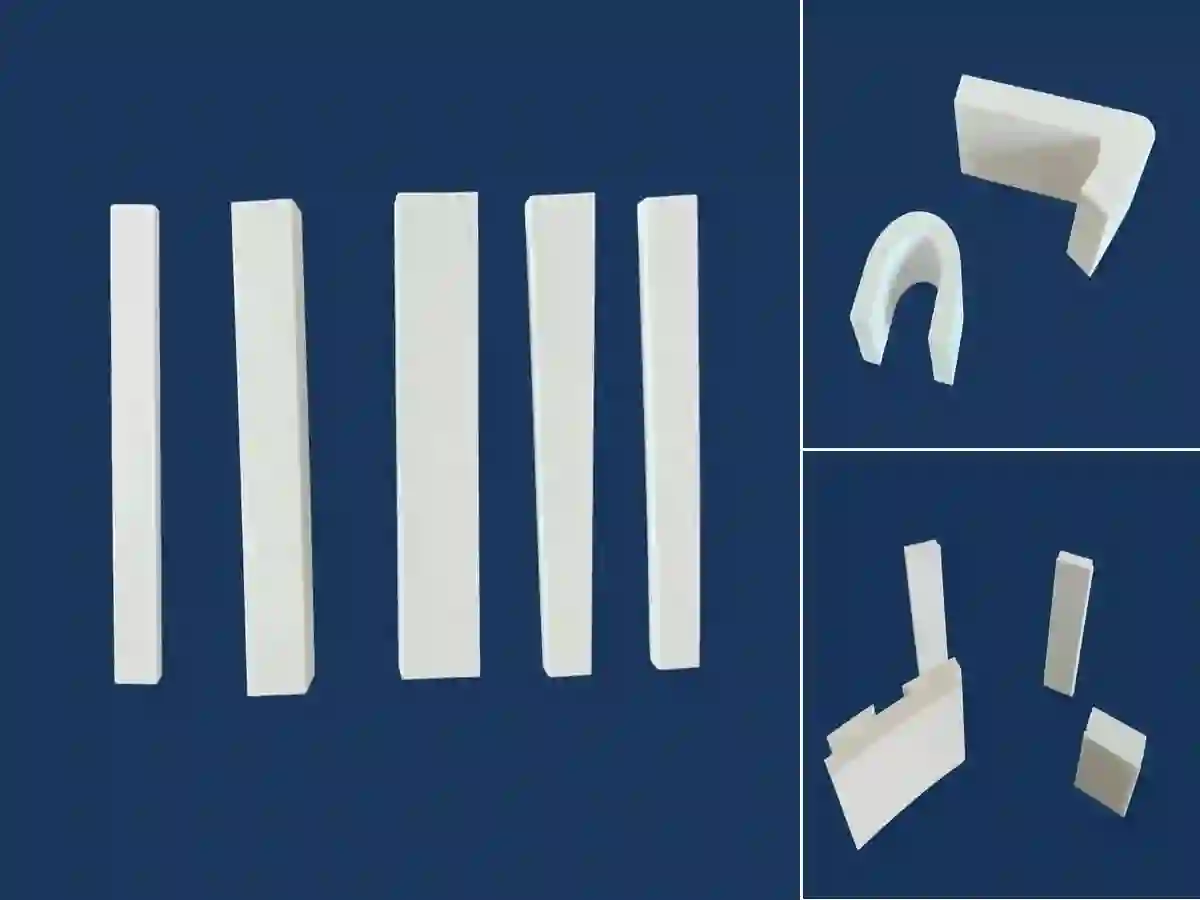
Custom Shaped Ceramic Liners
Custom-drawn non-standard ceramic lining — U, L, cone, arc, dovetail, slot and groove profiles to your drawing.
View Details ↓
Custom Shaped Ceramic Liners
±0.5 mm accuracy custom ceramic liner manufacturer — up to 900×600 mm single piece
For non-standard wear challenges, WearTech manufactures custom shaped ceramic liners to your exact drawings — including U-profiles, L-profiles, cylinders, cones, arcs, dovetails, slotted, and grooved designs. Dimensional accuracy reaches ±0.5 mm, with single pieces up to 900×600 mm. As a leading ceramic liner supplier, WearTech provides complete OEM solutions for the most complex equipment geometries in crushers, feeders, chutes, and furnaces, solving challenging non-standard ceramic lining requirements across mining, cement, and steel industries.
Slotted & Grooved Liners
Slotted and grooved custom ceramics designed for specific material flow guidance
Curved & Angled Liners
Curved and angled custom ceramics for precise equipment curve matching
Strip & Edge Liners
Strip and edge custom ceramics for equipment edge protection
Available Materials
92%/95%/99% Al₂O₃
ZTA Zirconia Toughened
Rubber/Steel Composite Available
Custom Capabilities
Any Complex Shape
Accuracy ±0.5mm
Max Size 900×600mm+
Typical Applications
Key Advantages
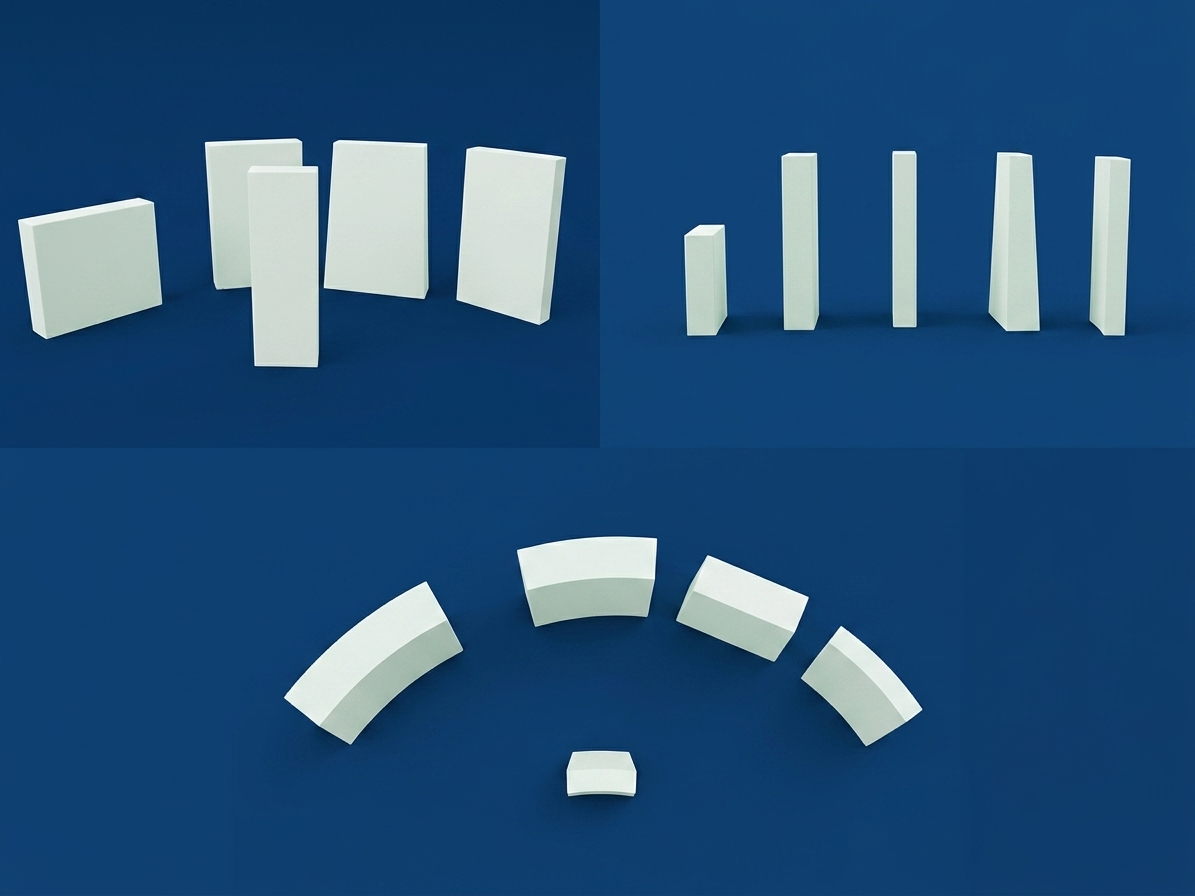
Ceramic Cylinders & Accessories
Alumina ceramic sleeves, cylinders and weld studs for pipe linings and shaft sleeve protection.
View Details ↓
Ceramic Cylinders & Accessories
One-stop ceramic wear sleeve supplier — φ50–φ500 mm cylinders with complete accessories
WearTech supplies alumina ceramic cylinders, ceramic wear sleeves, and weld stud accessories as a one-stop ceramic wear sleeve supplier. Precision-formed from 92%–95% high-purity alumina, each ceramic cylinder liner delivers superior sliding wear resistance for pipe interiors, shaft sleeves, and cylindrical equipment. Sizes cover diameters from φ50 mm to φ500 mm, lengths 100–400 mm, and wall thicknesses 10–30 mm. As a trusted alumina ceramic lining supplier, WearTech also provides compatible weld studs and pins for secure fixation to both weldable and adhesive-mounted ceramic liners.
Ceramic Cylinders & Sleeves
Alumina ceramic cylinders for pipe and shaft sleeve cylindrical linings
Weld Studs & Pins
Complementary welding accessories for secure ceramic liner fixation
Material Specs
Al₂O₃ Content: 92%-95%
Density: 3.60-3.65 g/cm³
HRA: 80-86
Compressive Strength: ≥850 MPa
Size Range
Diameter: φ50-φ500mm
Length: 100-400mm
Thickness: 10-30mm
Typical Applications
Key Advantages
Our Ceramic Lined Pipe & Fittings Product Range
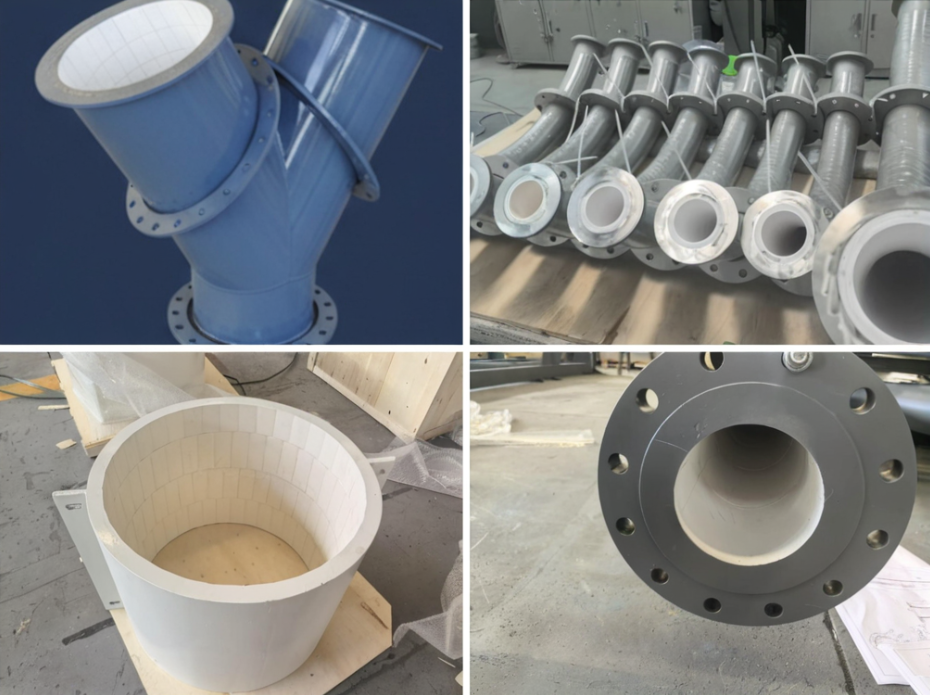
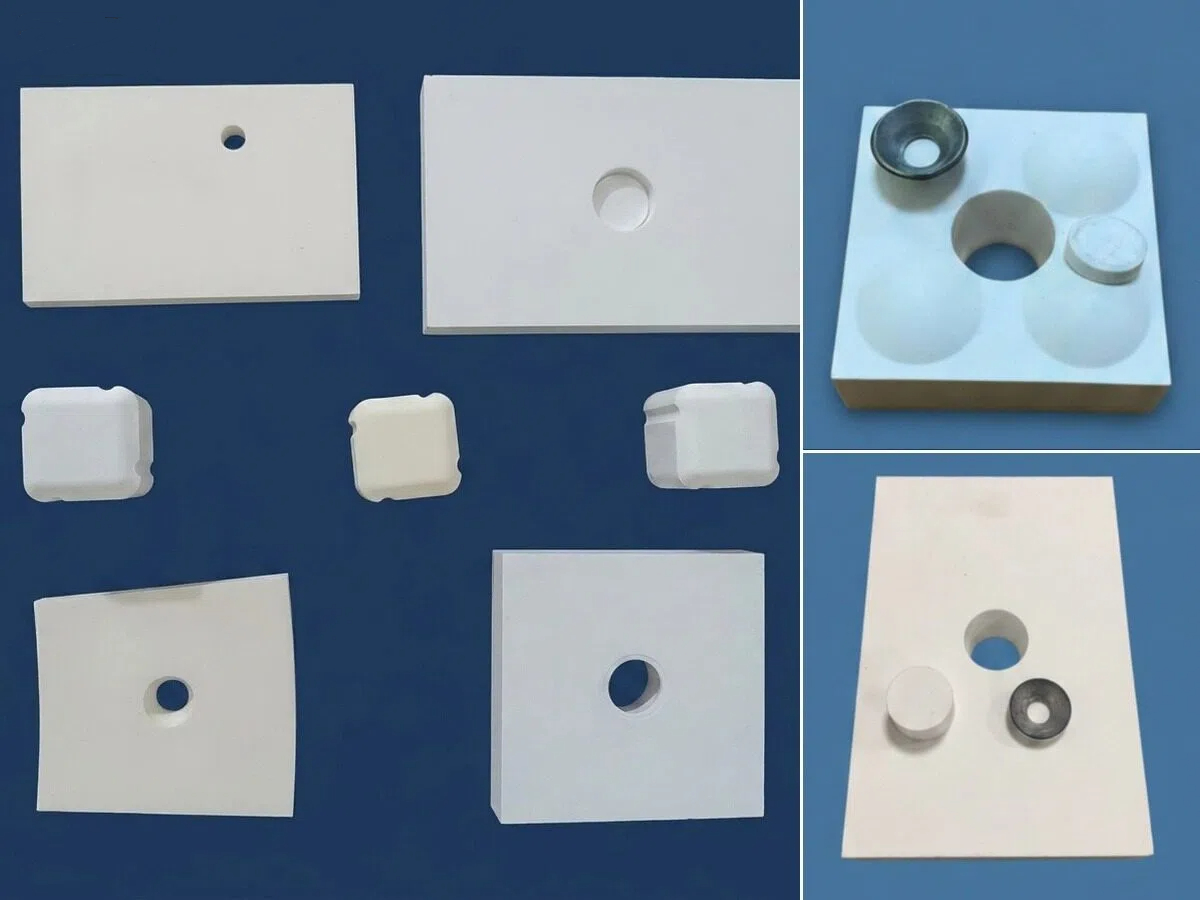
Series 1: Ceramic Tile Lining — Most Versatile Ceramic Lined Pipe
Our ceramic tile lining is the most widely used method for manufacturing alumina ceramic pipes and fittings. Alumina ceramic tiles (10×10 to 100×100 mm) are bonded inside steel shells using high-strength adhesive and welded mechanical anchors. Suitable for straight ceramic lined pipes, elbows, tees, reducers, and all custom shapes. Ceramic thickness: 6–25 mm. Working temperature: –40°C to 350°C. Best for high-wear, complex geometry applications across power, mining, and cement industries.
| Parameter | Specification |
|---|---|
| Ceramic Material | 92% / 95% / 99% Al₂O₃ |
| Ceramic Thickness | 6–25 mm |
| Tile Size Range | 10×10 to 100×100 mm |
| Working Temperature | –40°C to 350°C |
| Best For | Complex geometry, high-wear zones |
| Installation | Adhesive + welded anchor |
Series 2: SHS Self-Propagating Lining — High Temperature Ceramic Pipe
SHS (Self-propagating High-temperature Synthesis) lining uses aluminothermic reaction to form an in-situ Al₂O₃ ceramic layer (2–6 mm) inside steel pipes. The ceramic–steel metallurgical bond eliminates adhesive, making this alumina ceramic pipe ideal for high-temperature gas and ash conveying up to 600°C. Lower cost than tile lining, best suited for straight ceramic lined pipelines and standard bends in power generation and steel dust collection.
| Parameter | Specification |
|---|---|
| Ceramic Layer Thickness | 2–6 mm |
| Bonding Method | Metallurgical bond (no adhesive) |
| Working Temperature | Up to 600°C |
| Geometry | Straight pipes and standard bends |
| Best For | High-temp gas, ash conveying |
| Cost | Lower than tile lining |
Series 3: Centrifugal Cast Lining — High Density Ceramic Lined Pipe
Centrifugal cast lining applies ceramic slurry and sinters it for a uniform, dense inner layer. The resulting ceramic lined pipe features high density, low porosity, and superior concentricity — ideal for high-pressure, fine-particle conveying. Ceramic thickness: 3–12 mm. This method produces the most dimensionally precise alumina ceramic tubes, suitable for straight pipes and concentric reducers in demanding mineral processing applications.
| Parameter | Specification |
|---|---|
| Ceramic Thickness | 3–12 mm |
| Density | High density, low porosity |
| Geometry | Straight pipes, concentric reducers |
| Best For | High-pressure, fine-particle conveying |
| Concentricity | Superior wall uniformity |
| Working Pressure | Up to 10 MPa |
Series 4: Wear Resistant Ceramic Elbows & Fittings
Our wear resistant ceramic elbows are pre-formed arc liners available in 30° to 180° angles with bend radii from R=50 to R=2000mm. Complementing our ceramic lined pipe range, we supply tees, reducers, Y-type distributors, and flanged connections — all as complete ceramic lined pipeline for mining system solutions. Factory pre-forming ensures dimensional accuracy for direct on-site installation, significantly reducing project timelines.
| Parameter | Specification |
|---|---|
| Elbow Angle Range | 30°–180° |
| Bend Radius | R=50 to R=2000 mm |
| Ceramic Thickness | 5–50 mm |
| Nominal Diameter | DN50–DN2000 |
| Fitting Types | Elbows, Tees, Reducers, Y-type |
| Connection | Welding / Flange / Clamp |
Ceramic Inner Lining Technical Data — Four Grades
The alumina ceramic inner lining is the core wear-resistant component of every ceramic lined pipe. We offer four standard ceramic grades covering the full range of industrial wear conditions. All ceramic tiles are dry-pressed and sintered at 1600–1700°C for maximum density and hardness. As a professional alumina ceramic tube supplier, we guarantee consistent quality across every batch.
| Parameter | 92% Al₂O₃ (WT-PF92) | 95% Al₂O₃ (WT-PF95) | 99% Al₂O₃ (WT-PF99) | ZTA (WT-PFZTA) |
|---|---|---|---|---|
| Al₂O₃ Content | ≥92% | ≥95% | ≥99% | Al₂O₃+ZrO₂≥92% |
| Bulk Density (g/cm³) | ≥3.62 | ≥3.68 | ≥3.90 | ≥3.70 |
| Mohs Hardness | 9 | 9 | 9 | 9 |
| Vickers Hardness (HV10) | ≥1200 | ≥1300 | ≥1450 | ≥1350 |
| Bending Strength (MPa) | ≥260 | ≥300 | ≥420 | ≥280 |
| Compressive Strength (MPa) | ≥850 | ≥1200 | ≥1500 | ≥1500 |
| Fracture Toughness (MPa·m¹/²) | ≥3.0 | ≥3.2 | ≥4.5 | ≥4.80 |
| Max Working Temp (°C) | 350 | 350 | 1600 | 350 |
Standard Dimensions — Ceramic Lined Pipe
WearTech ceramic lined pipes are available in a wide range of nominal diameters from DN100 to DN1200+. Custom sizes and wall thicknesses can be manufactured to specification, making us a flexible alumina ceramic pipe supplier for projects of any scale.
| Nominal Dia. | Outer Dia. (mm) | Inner Dia. (mm) | Ceramic Thickness (mm) | Steel Thickness (mm) |
|---|---|---|---|---|
| DN100 | 108–114 | 100 | 6–10 | 4–8 |
| DN150 | 159–168 | 150 | 6–12 | 5–10 |
| DN200 | 236–264 | 200 | 10–20 | 6–12 |
| DN300 | 336–364 | 300 | 10–20 | 6–12 |
| DN500 | 542–584 | 500 | 15–30 | 6–12 |
| DN600 | 642–684 | 600 | 15–30 | 8–14 |
| DN800 | 842–884 | 800 | 15–30 | 8–14 |
| DN1000+ | Custom | Custom | 15–30 | 8–14 |
Industry Applications — Ceramic Lined Pipeline for Mining & Beyond
Our ceramic lined pipeline for mining and industrial applications serves the most demanding bulk material conveying environments across major industries. Every alumina ceramic pipe is engineered for maximum service life and minimum maintenance.
Coal ash & fly ash conveying
Ore slurry & tailings
Clinker & limestone transport
Hot slag & abrasive dust
Corrosive slurry transport
Drilling mud & catalyst lines
Ceramic Lined Pipe Selection Guide
Choosing the right ceramic lined pipe depends on your specific operating conditions. As your trusted alumina ceramic tube supplier, follow these guidelines for optimal performance:
- Wear type — Pure sliding abrasion → standard ceramic tile lining; Impact + abrasion → ZTA tiles or thickened ceramic
- Particle hardness — Soft particles → 92% Al₂O₃ sufficient; Hard particles → 95% or 99% alumina ceramic pipe
- Temperature — Below 350°C → adhesive-bonded tile; Above 350°C → SHS sintered lining (no organic adhesive)
- Corrosive media — Acidic/alkaline slurry → 99% Al₂O₃ or SiC; HF or hot H₃PO₄ → avoid alumina, use SiC
- Geometry — Elbows and tees → tile lining; Straight runs → SHS or centrifugal cast ceramic lined pipe
- Connection — Welding for permanent; Flanged for removable; Clamp for quick-change wear resistant ceramic elbow fittings

Ceramic-Rubber Composite Linings
Ceramic-rubber composite linings and three-in-one wear-resistant ceramic composite linings for high-impact applications.
Ceramic-Rubber Composite Linings
Ceramic-rubber composite linings and three-in-one wear-resistant ceramic composite linings for high-impact applications.
Our Ceramic Rubber Composite Lining Product Range
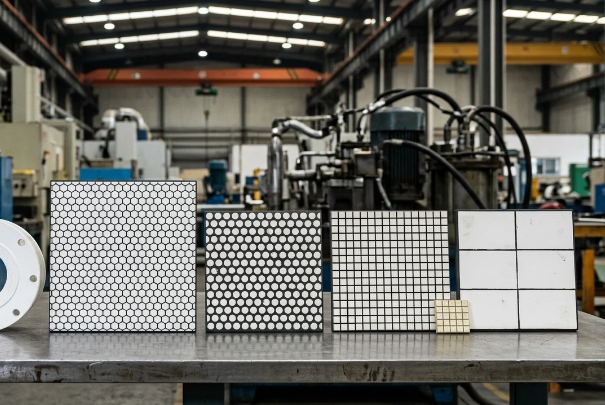
Ceramic Rubber Composite Lining Panels - Hexagonal and Square Ceramic Tiles Embedded in Rubber Matrix with Steel Backing for Mining Equipment Wear Protection
Series 1: Two-in-One Ceramic + Rubber — Rubber Backed Ceramic Liner Plate
Our Two-in-One rubber backed ceramic liner plate features high-alumina ceramic tiles hot-vulcanized into a premium rubber matrix through CN bonding layer. Adhesive-bonded directly to equipment surfaces — flexible, lightweight, and can be twisted or cut on-site to fit pipes, cyclones, and irregular geometries. Working temperature: –50°C to 100°C. The most cost-effective ceramic rubber composite lining solution for moderate impact conditions.
| Parameter | Specification |
|---|---|
| Structure | Ceramic + Rubber (Two-in-One) |
| Installation | Adhesive bonded |
| Ceramic Thickness | 4–50 mm |
| Rubber Thickness | 5–20 mm |
| Working Temperature | –50°C to 100°C |
| Rubber-to-Equipment Adhesion | ≥3.5 MPa |
| Ceramic-Rubber Adhesion | ≥3.8 MPa |
| Best For | Chutes, pipes, tanks, moderate impact |
Series 2: Three-in-One Ceramic + Rubber + Steel — Impact Resistant Ceramic Rubber Lining
Our premium three in one ceramic rubber steel lining bonds the ceramic-rubber panel to a Q235A steel backing plate with welded studs. Bolt-on or weldable installation — no adhesive needed. Rigid structure delivers maximum impact protection. The impact resistant ceramic rubber lining design allows quick bolt-on replacement, reducing downtime to minutes. Working temperature up to 250°C with heat-resistant rubber compound. The most secure option for critical wear zones.
| Parameter | Specification |
|---|---|
| Structure | Ceramic + Rubber + Steel (Three-in-One) |
| Installation | Bolt-on or welded via steel studs |
| Steel Plate Thickness | 3–8 mm (Q235A) |
| Ceramic Thickness | 4–50 mm |
| Rubber Thickness | 5–20 mm |
| Working Temperature | –50°C to 250°C (heat-resistant) |
| Replacement Time | Minutes (bolt-on design) |
| Best For | Crusher discharge, transfer points, high impact |
Series 3: Ceramic Tile Grades — Five Options for Every Demand
Our ceramic rubber wear liner panels feature high-purity alumina ceramic tiles, ZTA, and silicon carbide tiles in multiple grades. Available tile shapes include cylinders, squares, rectangles, and hexagonal "SW" specifications — all vulcanized into rubber through CN bonding layer for permanent integration.
| Parameter | 92% Al₂O (WT-CR92) | 95% Al₂O₃ (WT-CR95) | 99% Al₂O₃ (WT-CR99) | ZTA (WT-CRZTA) | SiC (WT-CRSiC) |
|---|---|---|---|---|---|
| Al₂O₃ / SiC Content | ≥92% | ≥95% | ≥99% | Al₂O₃+ZrO₂≥92% | SiC≥90% |
| Bulk Density (g/cm³) | ≥3.60 | ≥3.65 | ≥3.80 | ≥3.70 | ≥3.00 |
| Rockwell Hardness | ≥82 HRA | ≥85 HRA | ≥88 HRA | ≥85 HRA | ≥85 HRA |
| Bending Strength (MPa) | ≥220 | ≥250 | ≥300 | ≥280 | ≥250 |
| Compressive Strength (MPa) | ≥1050 | ≥1300 | ≥1500 | ≥1500 | — |
| Fracture Toughness (MPa·m¹/²) | ≥3.70 | ≥3.80 | ≥3.50 | ≥4.80 | — |
| Max Working Temp (°C) | 100 | 100 | 100 | 100 | 1380 |
Series 4: Rubber Layer & Steel Backing Technical Data
Premium rubber formulation ensures long-lasting elasticity and strong bonding with ceramic tiles through hot vulcanization. Both natural rubber and nitrile-butadiene rubber (NBR) compounds are available. The steel backing plate (Three-in-One only) provides structural rigidity and enables bolt-on or welded installation of your ceramic rubber composite lining.
| Parameter | Standard Rubber (NR/NBR) | Heat-Resistant Rubber | Steel Backing (Three-in-One) |
|---|---|---|---|
| Density (g/cm³) | 1.4 | 1.4 | 7.85 (Q235A) |
| Tensile Strength (MPa) | ≥10.6 | ≥10.6 | ≥375 |
| Elongation at Break (%) | ≥350 | ≥300 | — |
| Shore Hardness | 60±5 HA | 48–58 HA | — |
| Ceramic-Rubber Adhesion (MPa) | ≥3.8 | ≥3.8 | — |
| Working Temperature | –50 to 100°C | –50 to 250°C | –20 to 350°C |
| Aging Life | ≥15 years | ≥15 years | — |
| Thickness | 5–20 mm | 5–20 mm | 3–8 mm |
Ceramic Rubber Composite Lining Selection Guide
Choose the right ceramic rubber composite lining configuration based on your operating conditions. As your trusted ceramic rubber wear liner supplier:
- Moderate impact + cost priority: Two-in-One with 92% Al₂O₃ square tiles — best value rubber backed ceramic liner plate
- High impact + secure mounting: Three-in-One with 95% Al₂O₃ tiles — bolt-on three in one ceramic rubber steel lining for maximum reliability
- Severe impact + heavy material: Three-in-One with ZTA tiles — highest fracture toughness impact resistant ceramic rubber lining
- Chemical corrosion + high purity: 99% Al₂O₃ tiles — maximum chemical and wear resistance
- High temperature (above 250°C): SiC tiles with heat-resistant rubber — thermal shock resistance up to 1380°C
- Complex geometry equipment: Two-in-One panels — flexible and cuttable to fit pipes, cyclones, and irregular surfaces
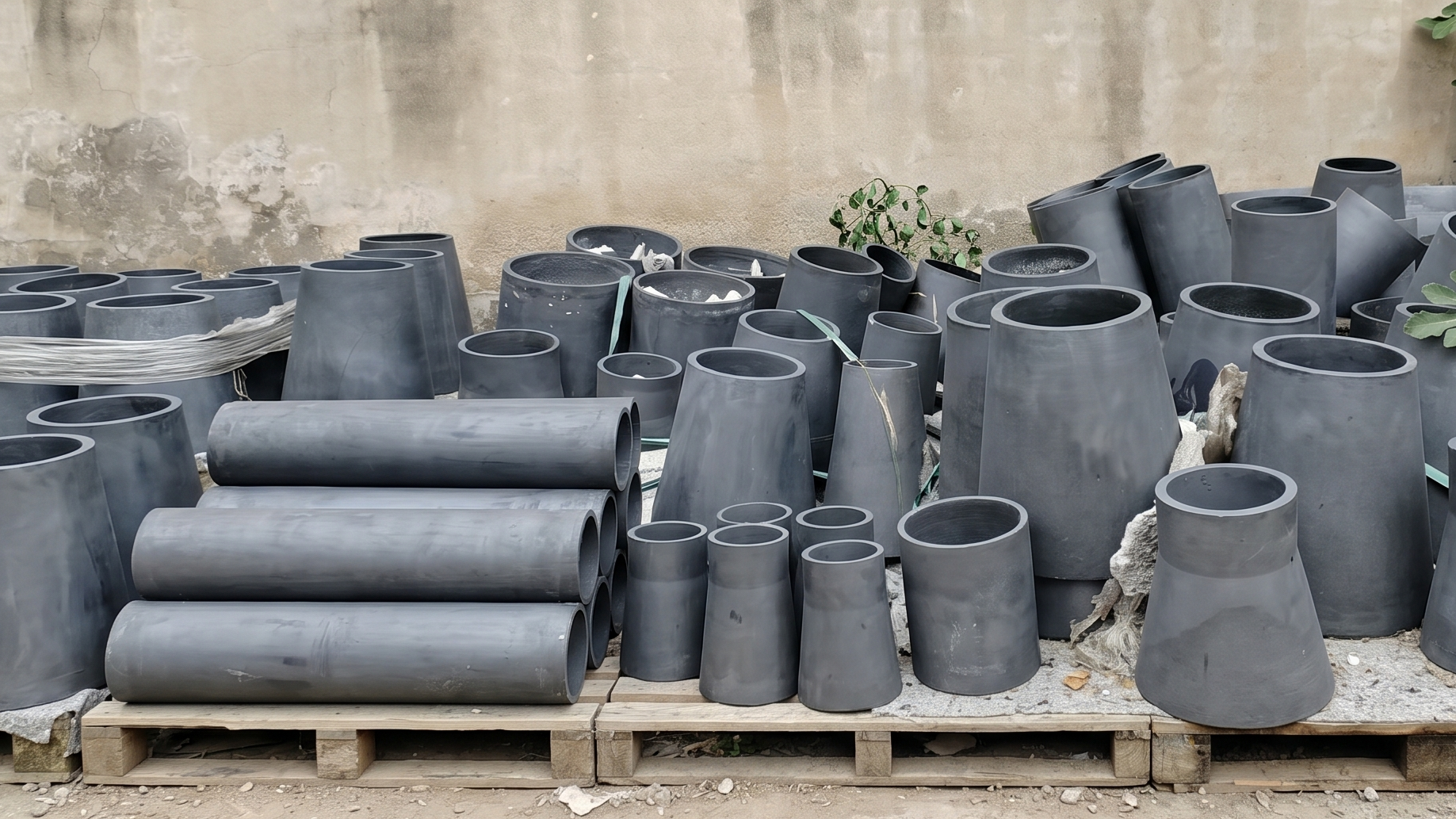
Silicon Carbide (SiC) Ceramic Products
WearTech silicon carbide ceramic products deliver unmatched performance where alumina ceramics reach their limits — in extreme temperatures (up to 1600°C), aggressive chemical environments, and ultra-high abrasion. With Mohs hardness 9+ and thermal conductivity 3–5× higher than alumina, SiC ceramics extend service life 5–7× longer than alumina in the most demanding applications. All products are custom-manufactured to your specifications.
Why Silicon Carbide?
SiC ceramics are fundamentally different from alumina. The strong covalent Si–C bond (88% covalent character) creates a material that retains full mechanical strength at temperatures where metals creep and alumina softens. Combined with exceptional thermal shock resistance, SiC is the material of choice when both extreme wear and extreme temperature are present.
- Extreme Hardness — Mohs 9+, Vickers 2200–2800 HV; 50% harder than tungsten carbide, 10× harder than stainless steel
- High Thermal Conductivity — 40–170 W/m·K (3–5× alumina), enables efficient heat dissipation and outstanding thermal shock resistance
- Low Thermal Expansion — CTE 4.0–5.0 × 10⁻⁶/K (half of alumina), minimizes thermal stress during rapid temperature cycling
- Superior Corrosion Resistance — Virtually inert to all acids, alkalis, and organic solvents except HF; annual corrosion rate below 0.01 mm in boiling 98% H₂SO₄
- High‑Temperature Strength Retention — Maintains 400+ MPa flexural strength at 1400°C; no creep below 1600°C
- Lightweight — Density 3.0–3.2 g/cm³ (1/3 of steel), reduces structural load and handling cost
SiC Ceramic Mosaic Tiles — Custom Engineered for Your Equipment
Our flagship SiC product line. WearTech SiC mosaic tiles are precision‑manufactured interlocking tiles designed to line the most severely worn surfaces in your equipment — curved pipes, elbows, cyclones, chutes, and hoppers. Unlike standard alumina mosaics, SiC mosaics deliver superior thermal shock resistance and chemical inertness, making them the ideal choice for high‑temperature, high‑impact, and chemically aggressive environments.
- Fully Customizable — Tile size, shape, thickness, and SiC grade tailored to your specific equipment geometry and operating conditions
- Interlocking Design — Hexagonal, square, and custom shapes with precision edges for gap‑free coverage
- Multiple SiC Grades — RBSiC for complex shapes and thermal shock; SSiC for maximum wear and corrosion resistance; NBSiC for cost‑effective high‑temperature applications
- Versatile Installation — Adhesive bonding, mechanical anchoring (welded studs), or rubber‑backed composite mounting for impact‑prone areas
- Proven Results — 5–10× service life vs. alumina mosaic in thermal cycling applications; near‑zero maintenance in continuous operation
Three SiC Manufacturing Processes
WearTech offers silicon carbide ceramics in three primary grades, each delivering a distinct balance of performance, cost, and application suitability:
Reaction‑Bonded SiC
(RBSiC / SiSiC)
- Liquid silicon infiltrates carbon/SiC preform at 1450–1700°C
- Contains 8–25% free silicon as secondary phase
- Near‑net‑shape capability — less than 1% shrinkage, ideal for complex geometries
- Excellent thermal shock resistance
- Max service temp: 1350–1400°C (limited by free Si)
- Best for: wear liners, mosaic tiles, seals, nozzles, kiln furniture
- 30–50% lower cost than SSiC for equivalent geometries
Sintered SiC
(SSiC)
- High‑purity SiC powder sintered at 2000–2500°C with minimal aids
- Greater than 98% SiC purity, near‑zero porosity
- Superior hardness, corrosion resistance, and high‑temp stability
- Max service temp: 1600–1900°C (in air)
- Best for: mechanical seals, pump parts, chemical process equipment, semiconductor fixtures
- Highest cost but longest service life in extreme conditions
Nitride‑Bonded SiC
(NBSiC)
- SiC grains bonded by silicon nitride (Si₃N₄) matrix
- Contains 70–85% SiC with Si₃N₄ bonding phase
- Excellent oxidation resistance at 1300–1500°C
- Good thermal shock resistance, lower thermal conductivity
- Max service temp: 1450–1500°C
- Best for: kiln furniture, shelf boards, setter plates, refractory components
- Most economical SiC grade for high‑temperature applications
Technical Data — Three Grades Comparison
All values based on standard test specimens; actual properties may vary with geometry and formulation. Data cross‑validated from Saint‑Gobain Hexoloy TDS, Kyocera, CAGTIC, and 7+ Chinese SiC manufacturers.
| Parameter | RBSiC / SiSiC | SSiC | NBSiC | Unit |
|---|---|---|---|---|
| SiC Content | 75–92% | Greater than 98% | 70–85% | % |
| Free Silicon | 8–25% | Trace | 0 (Si₃N₄ bond) | % |
| Bulk Density | 3.00–3.10 | 3.10–3.20 | 2.60–2.75 | g/cm³ |
| Mohs Hardness | 9 | 9+ | 9 | — |
| Vickers Hardness (HV) | 2200–2600 | 2500–2800 | 1800–2200 | HV |
| Flexural Strength | 250–400 | 400–550 | 150–250 | MPa |
| Compressive Strength | 1800–2200 | 2200–3900 | 800–1200 | MPa |
| Fracture Toughness | 3.5–4.5 | 3.5–4.6 | 2.5–3.5 | MPa·m¹/² |
| Elastic Modulus | 330–410 | 410–430 | 200–280 | GPa |
| Thermal Conductivity (RT) | 110–170 | 110–130 | 40–60 | W/m·K |
| CTE (20–1000°C) | 4.0–5.0 | 4.0–4.5 | 4.5–5.5 | ×10⁻⁶/K |
| Thermal Shock Resistance (ΔT) | Greater than 350 | Greater than 400 | Greater than 300 | °C |
| Max Service Temp. (Air) | 1350–1400 | 1600–1900 | 1450–1500 | °C |
| Water Absorption | Less than 0.1% | Less than 0.1% | 10–15% | % |
| Corrosion Resistance | Good | Excellent | Moderate | — |
SiC vs Alumina — When to Choose SiC
Alumina ceramics offer excellent wear resistance at a lower price point, but SiC ceramics are the superior choice when operating conditions include extreme temperatures, rapid thermal cycling, or highly corrosive media:
| Property | SiC (SSiC) | Alumina (95% Al₂O₃) | SiC Advantage |
|---|---|---|---|
| Wear Life | 5–7× baseline | Baseline | Dramatically longer equipment uptime |
| Thermal Conductivity | 110–130 W/m·K | 20–35 W/m·K | 3–5× higher, better heat dissipation |
| Max Working Temperature | 1600°C+ | 1500°C (solid) / 350°C (lined) | Far higher continuous service temp |
| Hardness (Knoop) | 2500–2800 | 1500–1650 | ~70% harder, superior wear resistance |
| CTE | 4.0–4.5 ×10⁻⁶/K | 7–8 ×10⁻⁶/K | ~50% lower, better thermal shock |
| Corrosion Resistance | Excellent (near‑universal) | Good (except HF, hot H₃PO₄) | Better in strong acids and alkalis |
| Thermal Shock (ΔT) | Greater than 400°C | 200–300°C | Survives more extreme cycling |
Product Specifications
SiC Mosaic Tiles (Standard & Custom)
Small‑format interlocking tiles for curved and complex surfaces. Can be pre‑assembled into mats for rapid installation.
| Shape | Size (mm) | Thickness (mm) | Typical Application |
|---|---|---|---|
| Square / Hex Mosaic | 10 × 10 | 1.5–10 | Small pipe elbows, tight curves |
| Square / Hex Mosaic | 12 × 12 | 3–12.7 | Cyclone interiors, standard curves |
| Square / Hex Mosaic | 17.5 × 17.5 | 4–10 | Medium‑radius elbows |
| Square / Hex Mosaic | 20 × 20 | 5–15 | Pipe bends, chutes |
| Square / Hex Mosaic | 25 × 25 | 5–15 | Large‑radius elbows, hoppers |
Custom SiC Mosaic Tiles Available — Send us your equipment drawings and operating conditions. We design and manufacture mosaic tiles to any shape, size, and thickness specification, including trapezoid, parallelogram, and curved tiles for specific pipe diameters.
SiC Plain Tiles & Plates
For flat and gently curved surfaces. Installed via epoxy adhesive or mechanical fastening.
| Shape | Size (mm) | Thickness (mm) | Typical Application |
|---|---|---|---|
| Rectangle | 50 × 25 | 5–10 | Narrow surfaces, transitions |
| Square | 50 × 50 | 5–15 | Flat and mildly curved areas |
| Square | 100 × 100 | 6.5–15 | Large flat areas, straight pipes |
| Rectangle | 150 × 100 | 12–100 | Chute walls, bin liners |
| Rectangle | 200 × 100 | 25–100 | Heavy‑duty lining |
| Square | 300 × 300 | 25–100 | Maximum‑area flat protection |
SiC Pipe Tiles (Curved Segments)
Pre‑formed curved tiles matching specific pipe inner diameters for a precise fit with minimal gaps.
| Spec (mm) | Applicable Pipe Diameter | Thickness (mm) |
|---|---|---|
| 150 × 31/35 × 12 | DN200–DN250 | 12 |
| 150 × 39/42 × 12 | DN250–DN300 | 12 |
| 150 × 50/53 × 12 | DN300–DN350 | 12 |
| 150 × 27/35 × 25 | DN200–DN250 | 25 |
| 150 × 36/42 × 25 | DN250–DN300 | 25 |
Pipe tiles custom‑manufactured to match your exact pipe specifications (DN100 to DN1200+).
SiC Pipes & Fittings
Complete silicon carbide piping components for extreme wear and corrosion environments:
| Parameter | RBSiC | SSiC | Unit |
|---|---|---|---|
| Available Sizes (DN) | DN50–DN500 | DN50–DN300 | mm |
| Wall Thickness | 5–25 | 5–20 | mm |
| Max Custom Length | 2500 | 1500 | mm |
| Connection Type | Flanged / Butt‑weld / Socket | Flanged / Socket | — |
| Max Service Temperature | 1350 | 1600 | °C |
| Flexural Strength | Greater than 300 | Greater than 400 | MPa |
| Thermal Conductivity | 110–170 | 110–130 | W/m·K |
Custom SiC Components
Beyond standard tiles and pipes, WearTech provides fully custom SiC ceramic components for specialized applications:
SiC Elbows & Bends
One‑piece sintered or assembled from curved segments. 30–180° angles, bend radius R=50–R=2000 mm.
SiC Tees & Reducers
Available in RBSiC and SSiC grades. Standard and custom configurations.
SiC Cyclone Liners
Precision‑formed cone and cylinder segments for hydrocyclones — vortex finders, spigots, barrel sections.
SiC‑Rubber Composite Panels
SiC tiles vulcanized into wear‑resistant rubber matrix with optional steel backing. Absorbs impact energy while maintaining wear resistance — ideal for ore chutes and slurry lines.
SiC‑Metal Composite Pipes
SiC lining bonded within steel pipe for combined wear resistance and structural strength.
SiC Kiln Furniture
Shelf boards (up to 600×400 mm), beams (up to 2500 mm), setters, saggers, and support pillars. RBSiC and NBSiC grades for 1350–1500°C continuous operation.
Industry Applications
WearTech SiC ceramic products serve the most extreme operating environments across major industries:
Mining & Mineral
Slurry pipes, cyclone liners, ore chutes, tailings lines
Power Generation
Boiler nozzles, ash conveying, FGD slurry loops, hot gas ducts
Chemical Processing
Acid/alkali pipes, reactor linings, heat exchangers
Steel & Metallurgy
Blast furnace pipes, slag handling, thermocouple tubes
Cement
Clinker conveying, mill discharge chutes, cyclone separators
Ceramics & Glass
Kiln furniture, setter plates, refractory components
SiC Product Selection Guide
Choosing the right silicon carbide product depends on your operating conditions, performance requirements, and budget:
- Temperature — Below 1350°C: RBSiC (cost‑effective); Above 1350°C: SSiC (no free Si limit); Kiln furniture up to 1500°C: NBSiC (best value)
- Corrosive Media — Strong acids/alkalis: SSiC (zero free Si); Moderate corrosion: RBSiC; Oxidizing atmosphere at 1300–1500°C: NBSiC
- Thermal Cycling — Rapid heating/cooling (ΔT greater than 300°C): RBSiC (free Si improves crack resistance); Gradual changes: SSiC or NBSiC
- Geometry — Complex shapes (thin walls, channels): RBSiC (near‑net‑shape); Simple precision parts: SSiC (diamond‑machined tight tolerances)
- Mosaic Tiles — Thermal shock environment: RBSiC; Maximum wear/corrosion: SSiC; Impact‑prone areas: RBSiC with rubber backing
- Budget — Cost‑sensitive high‑temp: NBSiC; Best all‑round: RBSiC; No‑compromise extreme conditions: SSiC
- Custom Requirements — All three SiC grades support full customization of dimensions, shapes, and surface finish. Contact our engineering team for application‑specific recommendations.
Our Ceramic Hydrocyclone Product Range
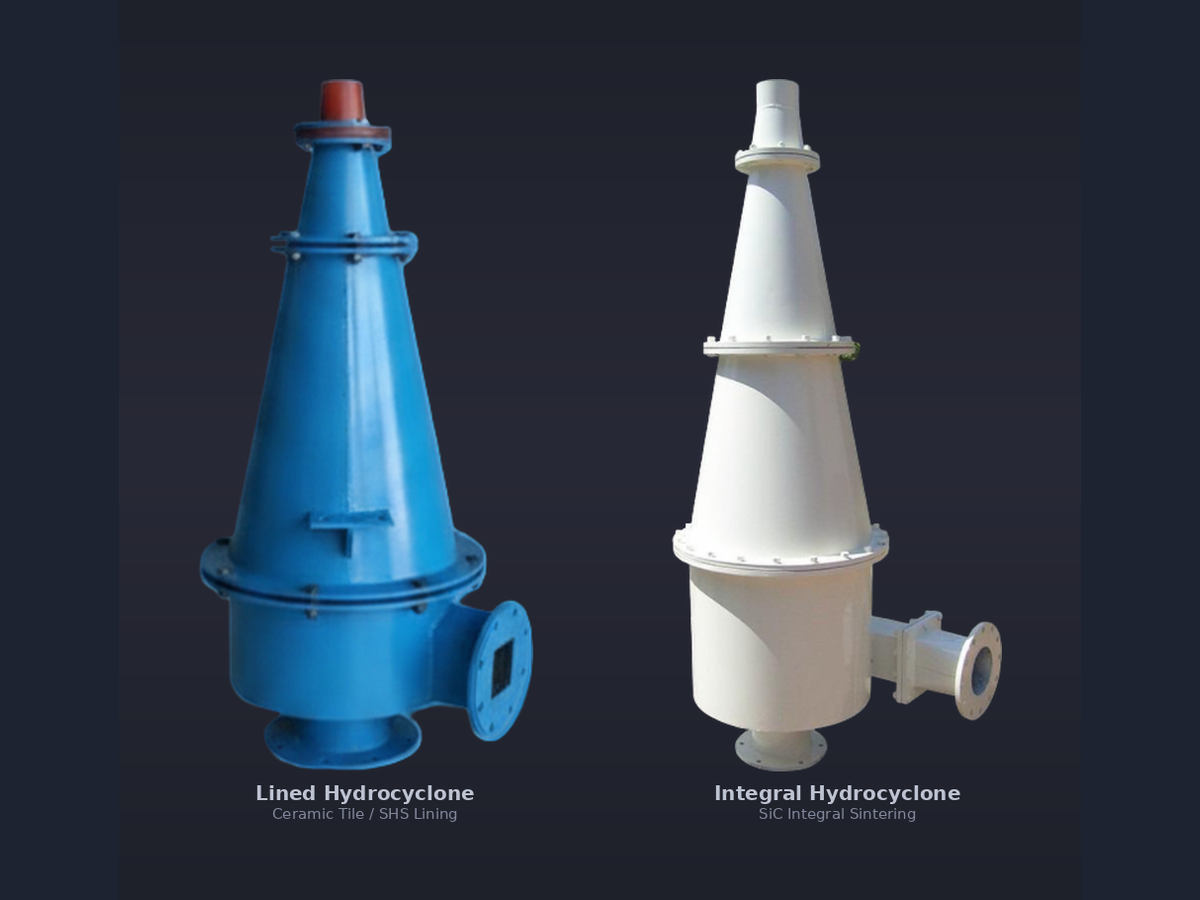
WearTech is a trusted alumina hydrocyclone supplier offering ceramic lined hydrocyclones for mineral processing, coal preparation, aggregate classification, and chemical separation. From standard alumina tile-lined units to premium SiC integral sintered cyclones, every wear resistant hydrocyclone is engineered for maximum separation efficiency and extended service life.
⭐ Featured: SiC Integral Sintered Hydrocyclone
For the most demanding classification and separation applications, WearTech offers silicon carbide (SiC) integral sintered hydrocyclones — single-piece monolithic ceramic bodies with zero seams, zero adhesive joints, and zero tile gaps. Unlike tile-lined cyclones where slurry can penetrate behind tiles or erode adhesive bonds, the integral sintered construction maintains perfect geometric integrity throughout its entire service life, ensuring consistent d₅₀ cut points and eliminating the need for frequent hydrocyclone liner replacement.
Seam-Free Construction
No tile gaps, no adhesive bonds, no slurry bypass. Single-piece RBSiC or SSiC sintered body maintains exact internal geometry throughout service life.
Extreme Temperature
RBSiC rated to 1,350°C; SSiC rated to 1,600°C. No adhesive = no temperature limitation from bonding agents.
Universal Corrosion Resistance
SSiC with ≥98% SiC and trace free silicon — resistant to virtually all acids, alkalis, and organic solvents.
Superior Classification Sharpness
Seam-free geometry eliminates turbulence at tile edges, delivering sharper d₅₀ cut points and higher classification efficiency.
SiC Integral Sintered vs. Ceramic Tile-Lined
| Factor | SiC Integral Sintered | Ceramic Tile-Lined |
|---|---|---|
| Construction | One-piece monolithic ceramic | Individual tiles bonded with epoxy |
| Seam Vulnerability | None — zero seams | Slurry penetrates behind tiles over time |
| Geometry Retention | Perfect — no dimensional drift | Tile loss / adhesive degradation changes geometry |
| Service Life | 5–10× polyurethane; 2–3× alumina tile | 8–12× polyurethane |
| Max Temperature | 1,350°C (RBSiC) / 1,600°C (SSiC) | Up to 350°C (adhesive-limited) |
| Corrosion Resistance | Excellent — SSiC: no free Si | Good — limited by epoxy bond |
| Thermal Shock (ΔT) | >350°C (RBSiC) / >400°C (SSiC) | Limited by adhesive |
| Best For | High-temp, corrosive, fine classification | General-purpose, large-diameter, cost-sensitive |
Alumina Ceramic Liner — Material Grades for Hydrocyclone Liner Replacement
As a professional alumina hydrocyclone supplier, WearTech provides alumina ceramic cyclone linings in five standard grades plus ZTA, matched to specific wear, corrosion, and impact requirements. All tiles are dry-pressed at 100+ tons and sintered at 1,600–1,700°C for maximum density and hardness.
| Property | 92% Al₂O₃ | 95% Al₂O₃ | T-95 Al₂O₃ | 99% Al₂O₃ | ZTA | ZrO₂ |
|---|---|---|---|---|---|---|
| Al₂O₃ Content | ≥92% | ≥95% | ≥95% | ≥99% | ≥75% | — |
| ZrO₂ Content | — | — | — | — | ≥21% | ≥99.8% |
| Density (g/cm³) | ≥3.60 | ≥3.65 | ≥3.70 | ≥3.83 | ≥4.15 | ≥5.90 |
| Mohs Hardness | 9 | 9 | 9 | 9 | 9 | 8.5 |
| Rockwell Hardness (HRA) | ≥82 | ≥85 | ≥88 | ≥89 | ≥90 | ≥88 |
| Vickers Hardness (HV) | ≥950 | ≥1,000 | ≥1,100 | ≥1,200 | ≥1,400 | ≥1,100 |
| Bending Strength (MPa) | ≥220 | ≥250 | ≥300 | ≥330 | ≥400 | ≥800 |
| Compressive Strength (MPa) | ≥1,050 | ≥1,300 | ≥1,600 | ≥1,800 | ≥2,000 | — |
| Fracture Toughness (MPa·m¹/²) | ≥3.2 | ≥3.2 | ≥3.5 | ≥3.5 | ≥5.0 | ≥7.0 |
| Water Absorption (%) | ≤0.01 | ≤0.01 | ≤0.01 | ≤0.01 | ≤0.01 | ≤0.01 |
| Wear Volume (cm³) | ≤0.25 | ≤0.20 | ≤0.15 | ≤0.10 | ≤0.05 | ≤0.05 |
| Max Service Temp. (°C) | 1,100 | 1,450 | 1,450 | 1,680 | 1,500 | 1,500 |
T-95: imported high-purity raw materials, optimized microstructure for maximum wear resistance. ZTA: Zirconia-toughened alumina, phase-transformation toughening for superior impact resistance.
SiC Ceramic — Material Grades (Integral Sintered)
| Parameter | RBSiC (SiSiC) | SSiC | Unit |
|---|---|---|---|
| SiC Content | ≥85% | ≥98% | % |
| Free Silicon | 8–15% | Trace | % |
| Bulk Density | ≥3.02 | ≥3.10 | g/cm³ |
| Vickers Hardness (HV) | 2,200–2,600 | 2,500–2,800 | HV |
| Flexural Strength | 250–400 | 400–550 | MPa |
| Compressive Strength | 1,800–2,200 | 2,200–3,900 | MPa |
| Thermal Conductivity (RT) | 110–170 | 110–130 | W/m·K |
| CTE (20–1,000°C) | 4.0–4.5 | 4.0–4.5 | ×10⁻⁶/K |
| Thermal Shock Resistance (ΔT) | >350 | >400 | °C |
| Max Service Temp. (Air) | 1,350–1,380 | 1,600–1,650 | °C |
| Open Porosity | <0.1% | <0.1% | % |
| Corrosion Resistance | Good | Excellent | — |
FX Series Ceramic Lined Hydrocyclone Specifications
| Model | Diameter (mm) | Cone Angle (°) | Overflow Dia. (mm) | Spigot Dia. (mm) | Max Feed Size (mm) | Feed Pressure (MPa) | Capacity (m³/h) | Cut Size (μm) |
|---|---|---|---|---|---|---|---|---|
| FX750 | 750 | 20 | 220–300 | 60–180 | 16 | 0.03–0.20 | 360–500 | 74–250 |
| FX660 | 660 | 20 | 150–260 | 60–160 | 16 | 0.03–0.20 | 250–400 | 74–220 |
| FX610 | 610 | 20 | 140–220 | 40–120 | 13 | 0.03–0.20 | 200–260 | 74–200 |
| FX500 | 500 | 20 | 100–200 | 35–115 | 10 | 0.03–0.30 | 140–220 | 74–200 |
| FX350 | 350 | 20 | 70–135 | 30–85 | 6 | 0.04–0.30 | 80–150 | 50–150 |
| FX300 | 300 | 20 | 65–135 | 20–60 | 5 | 0.04–0.30 | 45–90 | 50–150 |
| FX250 | 250 | 20 | 45–120 | 15–60 | 3 | 0.06–0.35 | 40–80 | 40–100 |
| FX200 | 200 | 20 | 40–85 | 15–40 | 2 | 0.06–0.35 | 25–40 | 40–100 |
| FX150 | 150 | 20 | 25–50 | 15–30 | 1.5 | 0.06–0.35 | 15–30 | 20–74 |
| FX100 | 100 | 20 | 20–40 | 6–26 | 1 | 0.05–0.40 | 8–15 | 10–100 |
| FX75 | 75 | 15 | 15–20 | 3–16 | 0.6 | 0.10–0.50 | 3–10 | 5–74 |
Custom diameters from 75mm to 1,500mm+ available upon request.
Cyclone Lining Product Forms — Ceramic Lined Hydrocyclone Components
⭐ Arc-Shaped Cyclone Tiles — Customizable
The core customizable product for cyclone internal lining. Each cyclone section — cylinder, cone, underflow spigot, vortex finder — has a unique curvature and taper angle, requiring tiles precisely formed to match. We manufacture custom arc tiles from customer drawings, measurements, or samples, ensuring seamless fit and maximum lining coverage.
- Trapezoid-shaped taper tiles — Interlocking edges for tight joints, easier installation into tapered sections
- Arc-shaped taper tiles — Conform precisely to cyclone's internal radius, minimizing gaps and reducing turbulence-driven edge erosion
- Standard sizes: 50–150mm length × 20–100mm width × 6–50mm thickness
- Installation: Adhesive bonding or weldable studs
- Fully customizable — Tiles manufactured to match your exact cyclone ID, cone angle, and section geometry
Cone Section Liner Sets
The cone section is the highest-wear zone in any hydrocyclone. We supply pre-formed cone tile sets with progressively changing curvature to maintain a smooth internal profile throughout the taper.
- Applicable cyclone diameter: DN100 – DN1,500+
- Wall thickness range: 8 – 50mm
- Inner diameter tolerance: ±0.1 – 3.0mm
- Cone angle: custom per drawing
- Sections per cyclone set: 15 – 25+ (depending on size)
- A complete cyclone lining set typically requires 20+ mold sets — we maintain a library of hundreds of existing molds to minimize tooling costs
Modular Cyclone Liner Kits
Barrel section + cone section + adapter rings — replace the most-worn cone independently without removing the entire lining.
- Step-interface design — Controlled mating details ensure consistent positioning, reducing misalignment and edge erosion
- Quick-change underflow spigots — Modular spigot inserts allow rapid replacement without full liner teardown
- SiC drop-in liner kits — Precision-cast RBSiC assemblies (cone, barrel, vortex finder, spigot) replacing tiled constructions entirely
- Available up to 60″ (1,524mm) diameter
Ceramic-Rubber Composite Panels
For cyclones operating under high-impact slurry conditions.
- Alumina mosaic tiles vulcanized into wear-resistant rubber matrix
- 2-in-1 (ceramic + rubber) or 3-in-1 (ceramic + rubber + steel backing)
- Steel backing plate allows mechanical bolt-on installation
- Rubber layer absorbs impact energy and vibration, reducing ceramic fracture risk
- CN rubber backing enables cold-bonding installation without curing
- Standard plate sizes: 150×300, 300×300, 500×500, 600×600mm
- Best for large-diameter cyclones where impact loads concentrate
Interchangeable Ceramic Spare Parts — Hydrocyclone Liner Replacement
WearTech is a trusted alumina hydrocyclone supplier offering a complete range of dimensionally interchangeable ceramic spare parts for hydrocyclone liner replacement. Compatible with Krebs, Warman, Weir, Metso, and other major brands, our wear resistant hydrocyclone parts are precision-manufactured for drop-in replacement without modification — minimizing downtime in your mineral processing circuit.
Vortex Finders
Cylindrical overflow tubes controlling ascending vortex diameter. Available in 92%/95% Al₂O₃, RBSiC, SSiC, ZTA
Spigots / Apexes
Bottom discharge nozzles — highest wear zone. Available in RBSiC, SSiC, SiC-PU composite
Cone Liners
Tapered conical sections in upper, mid, and lower zones. Available in 92%/95% Al₂O₃, RBSiC, ZTA
Barrel / Cylinder Liners
Straight cylindrical sections forming the feed chamber. Available in 92%/95% Al₂O₃, RBSiC
Inlet Head Liners
Feed entry section directing tangential slurry flow. Available in 92%/95% Al₂O₃, RBSiC
Cover Plate Liners
Top plate protecting the vortex finder housing. Available in 92%/95% Al₂O₃